7 unique gifts for someone who has everything in 2026
You know that sinking feeling when you're shopping for someone who genuinely seems to own everything they could possibly need? They've got the gadgets, the subscription boxes, the coffee table books - heck, they probably have that thing you've never heard of but definitely can't afford.
So what do you get them?
It's a gift-giving puzzle that trips up even the most thoughtful people. You can't just show up empty-handed, but scrolling through page 47 of "bestseller gift ideas" isn't helping either. The truth is, buying for someone who has everything isn't really about finding something - it's about choosing something that feels personal, unexpected, or just plain different from what they'd buy themselves.
Let's walk through some genuinely useful strategies (and a few specific gift ideas) that'll help you nail it this time.
If you're buying for a specific occasion, you might also find our personal wedding gift ideas and thoughtful anniversary gifts guide useful.
Why traditional gifts don't work anymore
If you've ever bought someone a decorative candle, a novelty mug, or a picture frame they'll never use, you already know: the typical gift playbook doesn't land the way it used to.
Part of this is cultural. According to research from Mintel, around 45% of UK consumers now prefer gifts with a personal touch over generic store-bought items. That's nearly half of shoppers actively rejecting the "safe" options we used to lean on.
And it makes sense. When someone already owns the basics (and then some), another thing just becomes clutter. Worse, it can feel like you didn't really think about them - you just grabbed something convenient.
What does work? Gifts that centre on experiences, personalization, or emotional connection. That's where the magic happens.
The shift towards experiences (and why they matter)
Here's a stat that might surprise you: 92% of Americans say they'd rather receive an experience gift than a physical item, according to a 2023 survey by GetYourGuide. And the preference is even stronger among younger buyers - 56% of millennials specifically want travel or trips as gifts.
Why the shift?
Experiences don't gather dust. They create stories, strengthen relationships, and (if you're lucky) turn into inside jokes years later. Research from UCLA's Anderson School of Management found that experiential gifts foster stronger social connections than material ones because they're more emotionally evocative. In other words, the memory of a concert, a cooking class, or a weekend away sticks with people in a way that a new gadget just doesn't.
That said, experience gifts aren't foolproof. If you don't know the person's schedule or preferences well, you risk buying them something they'll never redeem. The key is to choose experiences that are flexible (think: open-dated vouchers) or that you can do with them.
Why personalization hits differently
If you can't commit to an experience, the next best move is personalization. And we're not talking about a monogrammed tote bag.
The UK's personalized gifts market is projected to grow by over £1 billion between 2024 and 2029, with an 11% compound annual growth rate, according to Technavio. That's not just a trend - it's a full-blown category shift.
People love personalized gifts because they feel like effort. They signal that you took the time to think about them specifically, not just "person I need to buy a gift for." A 2026 survey on Mother's Day gift preferences found that 53% of UK recipients prefer personalized gifts that combine a photo with a personal message - way more meaningful than a generic card.
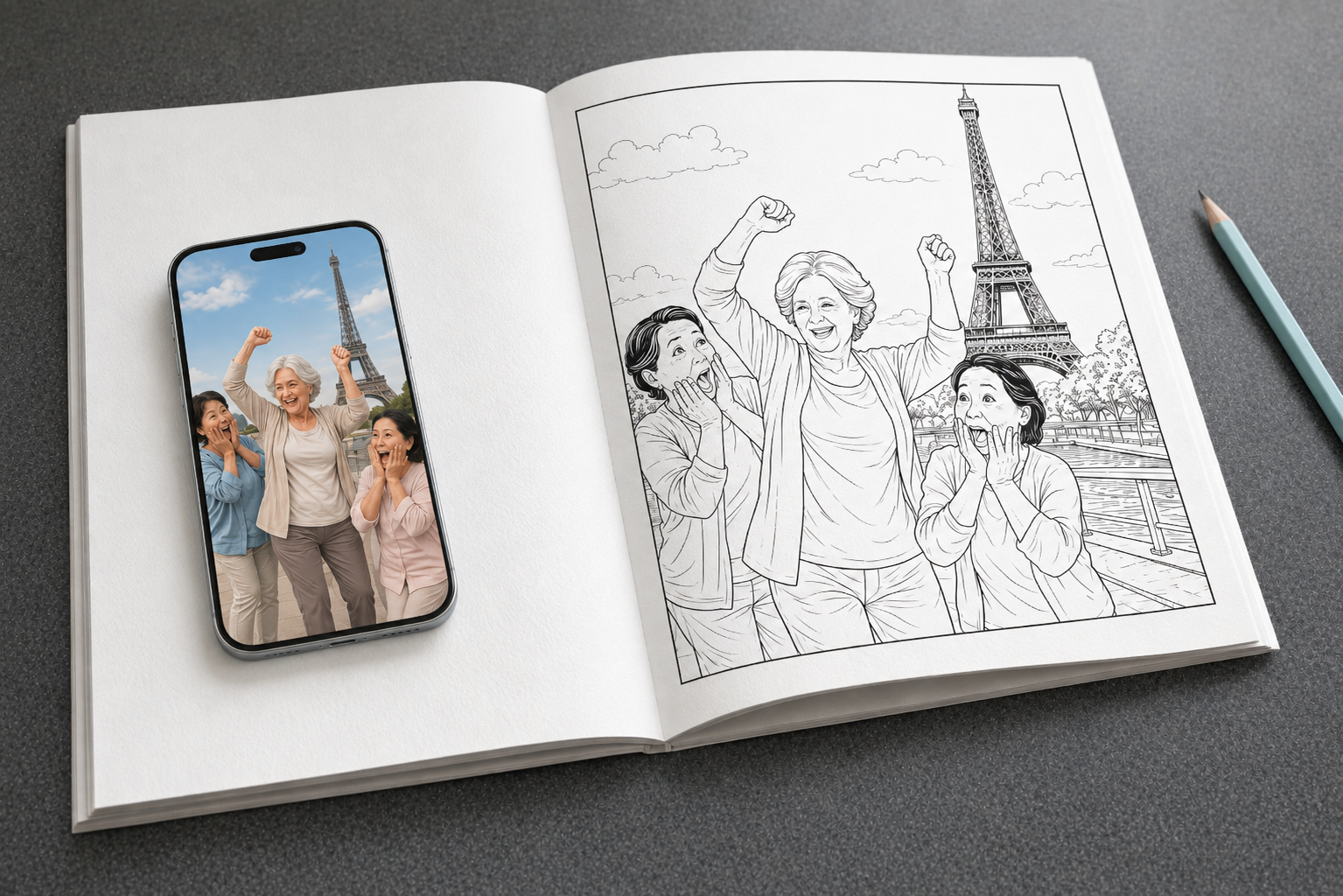
Personalized photo gifts, in particular, are having a moment. Things like custom photo books, canvas prints, or even personalized colouring books turn everyday memories into something tangible and interactive. They're especially great for people who appreciate nostalgia but don't need more stuff cluttering their shelves.
7 thoughtful gift ideas that actually work
Alright, let's get specific. Here are seven gift ideas that thread the needle between thoughtful, unique, and actually useful.
1. A custom photo-to-colouring book
This one's a winner for people who enjoy creative activities, screen-free activities, or just love reminiscing over old photos. You upload a batch of meaningful images - family holidays, wedding photos, pet pictures - and they're transformed into clean line-art pages in a professionally printed book.
What makes it work? It's personal (made from their photos), it's hands-on (colouring is calming and screen-free), and it's something they'd never buy for themselves. Plus, you can tailor the style: kid-friendly outlines for families, or more detailed designs for those who want a screen-free project.
For family-specific examples, compare photo books vs custom colouring books for mums, grandparents, and toddlers.
EverFold makes this process dead simple. You can preview every page before you pay, choose your line-art style, and have it printed and shipped within days. It's a gift that genuinely surprises people - in a good way.
2. Cooking or craft workshop vouchers
Experience gifts are gold when done right. A pottery class, bread-making workshop, or cocktail masterclass gives someone a new skill and a fun story.
The trick is picking something they wouldn't book for themselves. If they love cooking but always stick to the same recipes, a regional cuisine workshop could be perfect. If they're into DIY but never prioritize it, a weekend woodworking or candle-making session might be the nudge they need.
Look for vouchers that are open-dated or transferable - flexibility is everything.
3. Subscription boxes (but make them niche)
Yes, subscription boxes can feel overdone. But if you go niche enough, they're actually brilliant.
Skip the generic coffee or wine clubs. Instead, look for hyper-specific options: rare teas from independent growers, international snack boxes from a single country, or a quarterly book subscription curated by an indie bookshop.
The more tailored the box, the more it feels like you've found something just for them.
4. A charity donation in their name
For the person who genuinely has everything and actively doesn't want more stuff, this is the move.
Pick a cause you know matters to them - animal welfare, environmental conservation, medical research - and make a meaningful donation. Many charities will send a certificate or card you can present, which makes it feel more tangible than just an email receipt.
Bonus: pair it with a handwritten note explaining why you chose that charity. It's simple, but it's one of the most thoughtful things you can do.
5. High-quality everyday upgrades
This is the "they'd never splurge on this for themselves" category. Think cashmere socks, a premium insulated water bottle, a weighted blanket, or a silk pillowcase.
The idea is to take something they use every day and upgrade it to the deluxe version. It's practical, but it feels indulgent - and that's the sweet spot for people who don't need anything.
6. A "memory jar" or scrapbook you've made
Okay, this one takes actual effort - but that's why it works.
Collect photos, ticket stubs, inside jokes, or little notes from shared experiences and compile them into a scrapbook or memory jar. It's low-cost but high-impact, and it's one of the few gifts that gets more valuable over time.
If you're not crafty, don't stress. Even a simple photo book with captions telling the story behind each image is enough. The point is that you've taken time to reflect on your relationship with them.
7. A "do something together" voucher
This one's less about the gift itself and more about the promise of time together.
Make a homemade voucher (or just a nice card) that commits you to an activity: a day trip to somewhere new, a home-cooked dinner you'll make for them, a movie marathon of their choice, or even just a long walk and coffee catch-up.
It sounds simple, but for a lot of people - especially those who are time-poor or live far from loved ones - your presence is the real gift.
How to choose the right gift (without overthinking it)
If you're still stuck, here's a quick decision framework:
- Do they value experiences over things? Go for workshops, vouchers, or activities you can do together.
- Are they sentimental? Personalized photo gifts or memory-based presents will hit home.
- Do they actively avoid clutter? Stick to consumables (food, drink, candles), donations, or digital gifts.
- Are they hard to shop for because they're picky? Let them choose - open-dated experience vouchers or gift cards to places they actually like.
- Do they love nostalgia or creative hobbies? Consider something interactive, like a custom photo colouring book that turns memories into an activity.
The bottom line? The best gifts aren't about spending the most money. They're about showing you've paid attention.
Making it feel special (presentation matters)
Even the most thoughtful gift can fall flat if it's handed over in a crumpled Amazon box.
Take five extra minutes to make it feel intentional:
- Wrap it properly (or use a nice gift bag with tissue paper).
- Include a handwritten card - not just "Happy Birthday," but a few real sentences about why you chose this gift.
- If it's an experience or voucher, present it with a little context: print out a photo of the venue, include a suggested date, or add a small related item (e.g., a nice notebook with a workshop voucher).
Presentation doesn't have to be fancy. It just has to feel like you cared.
When all else fails, ask
There's no shame in asking what someone wants. In fact, it's often the kindest thing you can do - especially for people who genuinely don't need more random stuff.
You can frame it casually: "I'm thinking about getting you something for your birthday - any thoughts on what you'd actually use?" or "Is there anything you've been eyeing lately?"
If they say "nothing," offer a shortlist of ideas and let them steer you. Most people appreciate the thoughtfulness of being asked rather than receiving something they'll never touch.
Final thoughts: thoughtful beats expensive every time
Buying for someone who has everything isn't about finding the perfect product. It's about choosing something that reflects your relationship with them - whether that's a personalized keepsake, an experience you'll share, or simply your time and attention.
The gifts people remember aren't always the priciest. They're the ones that show you were paying attention, that you thought about what would make them smile, and that you put in a bit of effort.
So skip the generic bestseller lists. Think about what makes them laugh, what they'd never buy themselves, or what memory you could help them hold onto. That's where the good stuff lives.
About the Author
Dr Jon Baker is the CEO and founder of EverFold. With a PhD in Electronics Engineering and 15 years of experience building software, Jon has combined his technical expertise with a passion for creating innovative products. He created EverFold to make it easy for anyone to transform their photos into beautiful, professionally printed colouring books.